A Comprehensive Guide to Wall Finishing
Drywall is a popular choice for constructing interior walls in homes and commercial spaces. It’s known for its flexibility, ease of use, and affordability. Understanding how drywall is installed can help you appreciate the work involved and make informed decisions if you’re considering a DIY project or hiring professionals.
The Importance of Proper Wall Preparation
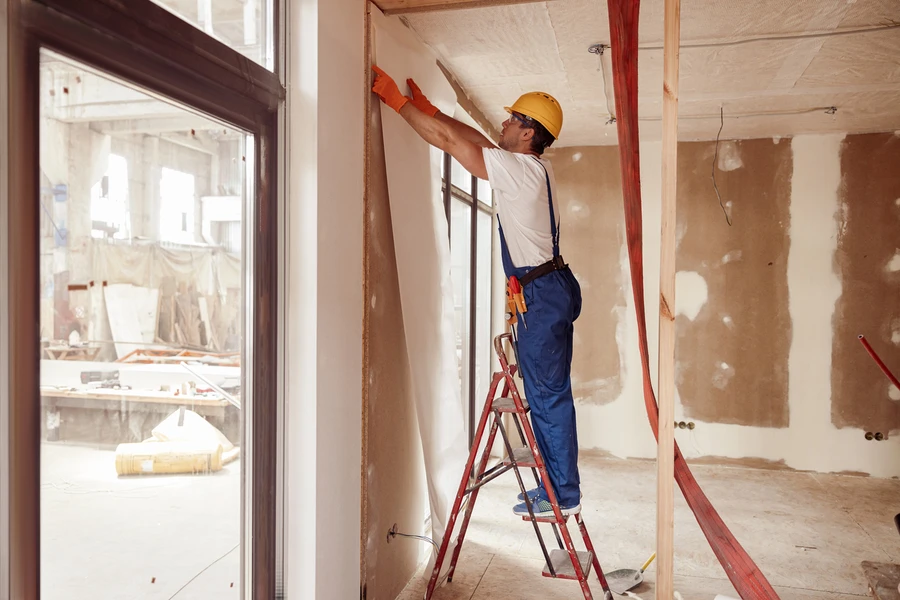
Preparing your walls before installing drywall is crucial for a smooth finish. First, inspect the wall frame to ensure it’s level and sturdy. Any irregularities should be fixed to prevent issues later. A strong foundation ensures that the drywall will be secure and align correctly with other sections.
Choosing the Right Tools and Materials
Before starting, gather all necessary tools and materials. Essential items include measuring tape, a utility knife, T-square, drywall screws, and joint compound. The quality of these tools can affect the overall outcome, so investing in reliable equipment is wise. Additionally, select the right type of drywall sheets based on the room’s requirements, such as moisture-resistant boards for bathrooms.
Measuring and Cutting With Precision
This step involves accurately measuring the dimensions of the wall space. Once you’ve measured, transfer those dimensions to the drywall sheets. Use a T-square for straight lines, ensuring precision cuts with a utility knife. Good measuring practices ensure that each piece fits perfectly, minimizing gaps and reducing waste.
Securely Attaching Drywall Sheets
Once cut, attach the drywall sheets to the wall frame using screws or nails. Ensure screws are driven properly without breaking through the paper surface, which could compromise stability. When done properly, this part of the drywall installation process provides a solid base for further finishing work.
Finishing Touches: Taping and Mudding
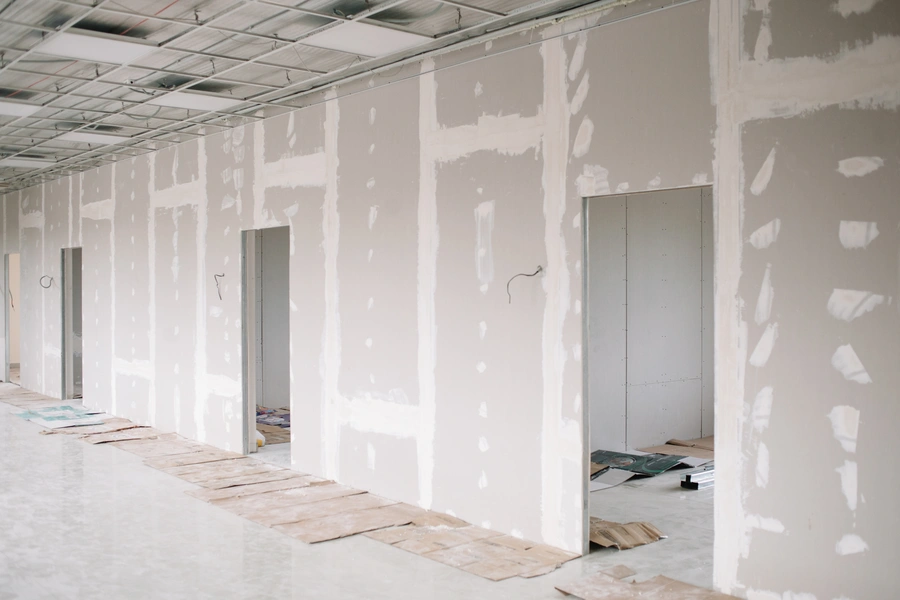
After securing the drywall, cover seams between sheets with drywall tape. Apply joint compound over the tape to create a seamless appearance. This step requires patience as you’ll need to let each layer dry completely before applying another. Sanding follows after drying to achieve a smooth surface ready for painting.
- Apply a thin layer of joint compound over taped areas
- Use sandpaper to smooth out any bumps once dried
- Repeat with additional layers if needed for perfect results
Painting and Finalizing Your Walls
With the preparation complete, it’s time to paint. Choose a primer first; it helps paint adhere better and lasts longer. After priming, apply your chosen paint color in even coats for an attractive finish. This final step brings your wall to life, completing the transformation process.
Your Next Steps Toward Quality Walls
If you’re planning a renovation or new construction, consider how professional services might enhance your project outcomes. Located in Asheville, NC, I provide tailored solutions to meet your needs. Contact me at (828) 271-9426 today to discuss how Q&D Remodeling LLC can assist you in creating beautiful spaces.